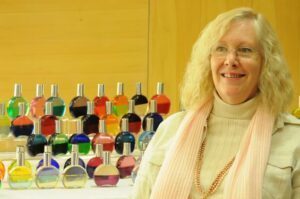
Melissie Jolly: »Kadar majhni otroci vztrajajo, da hočejo tisti dan obleči natanko določeno barvo, jim to pustite.«
Foto: Neva Volarič
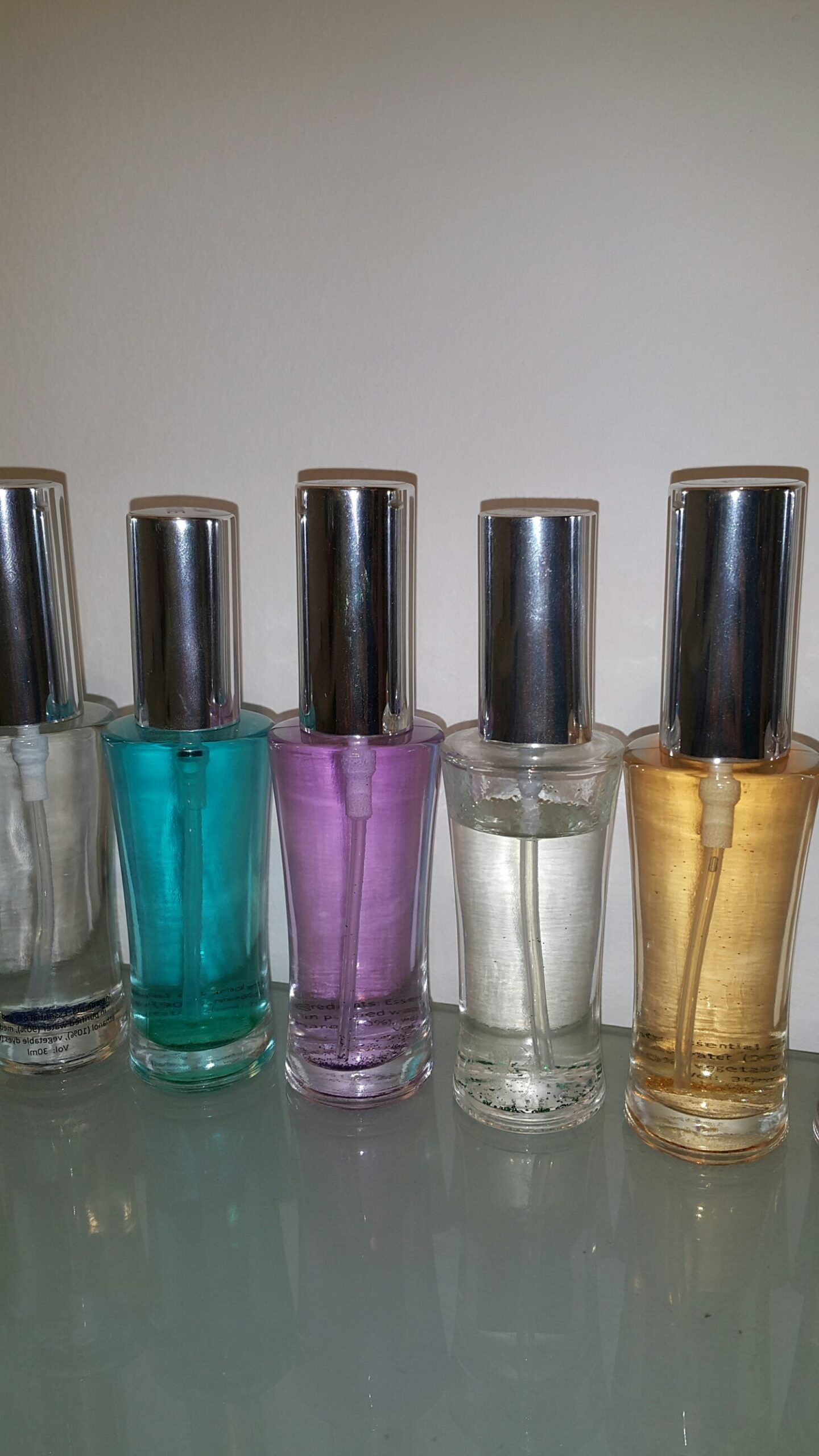
Barve govorijo univerzalni jezik, nastavljajo nam ogledalo, pravi Melissie Jolly, Južnoafričanka, ki je razvila sistem terapije “barvnih ogledal” Colour Mirrors. “Ljudje, ki pridejo na terapijo, izberejo stekleničke, katere jih pritegnejo, in vsaka steklenička, vsaka barva ima svojo zgodbo. Ko to odčitam, vem, da je na primer vaš oče zapustil družino, ko ste bili stari štiri leta, in da niste imeli dobrih odnosov s svojo materjo. Vse informacije so tam, vsaka barva nekaj pomeni. S klasično psihoterapijo bi morda potrebovali nekaj let, da bi prišli do tega. Danes pa nimamo več toliko časa,” pravi Jollyjeva, ki je v pred dnevi v Ljubljani vodila mednarodno konferenco o barvah, ki jo je organizirala prodekanja Turistice, doc. dr. Tadeja Jere Lazanski.
* Ko človek pride k vam na delavnico ali na terapijo, občuduje vse te lepe stekleničke. Kaj je v njih?
“Voda in avokadovo olje, rastlinska barvila in veliko eteričih olj: sivka, vrtnica, jasmin, rožmarin … Uporabljam 33 različnih eteričnih olj, ki imajo določen učinek: sivka na primer pomirja. Torej imajo stekleničke učinek že zaradi tega, ker vsebujejo eterična olja. Prav tako učinkuje barva, pa tudi namen, s katerim je bila steklenička narejena. Torej imamo tri komponente, ki delujejo. Najpomembnejša stvar pa je, da človek verjame. Želite slišati zgodbo?”
* Seveda.
“Ko sem se selila, sem prijateljico prosila, naj mi pomaga najti nekaj moških, ki bodo prenašali škatle. Pripeljala je moškega z aidsom v zadnjem stadiju. Pa sem ji rekla, le kaj si mislila, ta človek nam bo umrl pred očmi. Prosil je za delo, ker potrebuje denar, tudi njegova žena in otrok umirata za aidsom, mi je odgovorila. Vse moje stekleničke z olji so bile zapakirane v škatlah, pri sebi sem imela le nekaj olja v velikem kozarcu za marmelado. Zato sem moškega vprašala, kaj ga najbolj boli. Glava, je odgovoril. Oko je imel izbuljeno, očitno je imel tudi možganski tumor. Tako sem mu dala nekaj olja modre in vijolične barve iz kozarca za marmelado in mu rekla, naj si z njim namaže obraz. Počutil se je nekoliko bolje, čeprav tisti dan ni veliko naredil. Na koncu sem mu dala olje še za njegovo ženo in otroka, misleč, da bom tem ljudem nekoliko olajšala zadnje ure. Deset mesecev kasneje sem se spet selila, in na moje veliko presenečenje je prijateljica spet pripeljala istega moškega. Imel je 25 kilogramov več, sijočo kožo, bil je popolnoma v redu. Kaj se je zgodilo z vami, sem ga vprašala, on pa je zagrabil mojo roko in dejal, gospa, ali ste v Jezus. Povedal mi je, da je otrok umrl, še preden je tisti dan prišel domov. Toda njegova žena je dobro in imata drugega otroka, ki nima virusa HIV. Dva starša z aidsom in otrok brez HIV!”
* Kaj se je zgodilo?
“Popolnoma jasno mi je, da to ni imelo nikakršne zveze z oljem samim. Preprosto, dala sem mu nekaj, v kar je lahko verjel. In ker so stekleničke tako prikupne, jih ljudje radi vzamejo domov in jih uporabljajo.”
* Kako pa jih uporabljajo?
“Vsebino pretresete, da se olje in voda premešata, in nekaj kapljic zlijete v kopel. Ko pridete k meni na terapijo, izberete več stekleničk. Vsaka ima svoj pomen, na koncu pa izberete eno, za katero resnično čutite, da vam je blizu. In olje iz nje potem uporabite v kopeli ali si ga vtrete v kožo.”
* Pravite, da deluje tudi namen, s katerim je bila sestavljena vsebina stekleničke. Kako?
“Kar nekaj postopkov je, s katerimi stekleničke energetiziram. To je podobno kot reiki. Če greste na terapijo reiki, bo terapevt s pomočjo rok energetiziral vaše telo. Počutili se boste odlično, na poti domov pa si boste rekli, kaj je bilo to, ničesar nisem videl, ni bilo resnično. Prepričali se boste, da vse skupaj ni bilo nič. Vsebino stekleničke pa lahko vidite, vonjate, torej je resnična in vaše telo jo sprejme. To je majhen trik, da vaše telo sprejme energijo.”
* Vse pa je odvisno od tega, katero stekleničko izberemo?
“Da. Tista steklenička zrcali vaš trenutni problem oziroma zadevo, ki jo morate razrešiti.”
* Kako delujejo barve? Ali z barvnim oljem dosežemo enak učinek, kot če na primer nosimo obleko določene barve?
“Če v nekaj verjamete, bo delovalo. Verjetno poznate nekatere raziskave o barvah. Ljudi so dali v rdečo sobo in njihov krvni tlak je narasel, nato so jih dali v modro sobo in njihov krvni tlak je padel. Pa so si mislili, dobro, to je psihološka reakcija. Rdeča je topla barva in ljudi ogreje, modra pa je hladna in ljudi ohladi. Nato so poskus ponovili z ljudmi, ki so bili slepi od rojstva, in zgodilo se je isto. Tako so ugotovili, da vibracija barve vpliva na naše telo. Odzovemo se tako na barvo kot na njeno vibracijo, v primeru Colour Mirrors pa tudi na vsebino stekleničke.”
* Kako je iznajdba sistema Colour Mirrors vplivala na vaše življenje?
“Moje življenje se je popolnoma spremenilo. Bila sem zelo nesrečna mlada ženska, zdaj pa sem zelo srečna ženska.”
* Študirali ste psihologijo in umetnost, torej ste vedeli veliko o učinku barv?
“Res je. Ampak imela sem tri majhne otroke in bila sem obupno nesrečna v zakonu. Imela sem tudi neke vrste gripo, pravimo ji japijevska gripa, pri kateri si neprestano utrujen in te vse boli. Začela sem uporabljati barve, in bolezen je izginila.”
* Kaj ste storili?
“Podplate sem si masirala z rdečim oljem. To mi je dalo toliko energije, da sem lahko začela delati z barvami kot terapevtka. Imela sem neverjetno povpraševanje. Konec tedna sem vodila delavnice, med tednom pa sem sprejela po osem ljudi na dan. Preden sem naredila svoj sistem barv, sem uporabljala drugega. Resnično sem spoznala, kako barve delujejo, in imela sem jasno idejo, kaj hočem, ko sem začela postavljati svoj sistem.”
Sistem zdravljenja Colour Mirrors sestavlja 73 stekleničk z aromatiziranimi barvami in olji ter 26 razpršilnih esenc
Foto: Neva Volarič
* Kako se je rodil vaš sistem?
“To je dolga zgodba. Najprej sem delala z drugim sistemom, imela pa sem že prvih devet svojih stekleničk. Joj, tole bo zdaj zvenelo popolnoma noro … Imela sem vizijo. Nisem jasnovidka ali kaj podobnega, toda pred sabo sem zagledala žensko tako jasno, kot vidim zdajle vas. Rekla mi je, pokazala ti bom, kako energetiziraš stekleničke. Na kabalističnem drevesu življenja, ki sem ga imela narisanega na kosu blaga na tleh, mi je pokazala, v katerem krogu se moram povezati z določeno angelsko energijo. Naslednji dan je k meni prišla ženska, ki je dobro čutila energijo, in ko sem jo prosila, naj preveri energijo stekleničk, jo je skoraj odneslo iz hiše, toliko energije je bilo v njih. Zdaj stekleničk ne energetiziram več na enak način, vendar je to prineslo energijo v moje delo. Vse stekleničke na neki način nosijo ta energijski žig.”
* In naprej?
“Kmalu sem naredila še druge stekleničke. Vse je potekalo z bliskovito naglico. V četrtek ali petek sem napisala priročnik, v soboto sem že vodila prvo delavnico. In na moje velikansko presenečenje so ljudje govorili, joj, to pa res deluje, ta steklenička je kot narejena zame. Zelo hitro so se odzvali. To me je presenetilo, saj sem se počutila izgubljeno. Nisem si mislila, da sem naredila nekaj čudežnega, razmišljala sem o tem, da moram zaslužiti denar, saj imam šoloobvezne otroke in nobenega stalnega dohodka.”
* Torej niste bili prepričani, da delate prav?
“Ne. In še vedno včasih nisem. So dnevi, ko si rečem, saj si nora, ljudem prodajaš obarvano olje. Le kaj je s tabo?” (smeh)
* Verjamete, da barve na lažejo?
“Barva vedno doseže svoj namen. Opažam, da ljudje prihajajo k meni oblečeni v povsem enake barve, kot jih potem izberejo v stekleničkah. Intuitivno so že doma izbrali barve, ki jih potrebujejo. Kadar majhni otroci vztrajajo, da hočejo tisti dan obleči natanko določeno barvo, jim to pustite. Barve, ki jih izberejo, jim bodo pomagale prebroditi zadeve, ki se v tistem obdobju dogajajo v njihovem življenju. Otroci intuitivno izberejo natanko tiste barve, ki jih potrebujejo.”
* Na primer?
“Oranžna je barva šoka, travme in zlorabe. Ko je moj sin hodil v vrtec, je bil tam tudi deček, ki je neprestano nosil oranžno srajco. Doma mu je niso mogli niti oprati, ni je hotel sleči niti za trenutek. Izvedela sem, da živi pri krušnih starših in da je pretrpel veliko zlorab. Takrat nisem vedela veliko o barvah, danes pa mi je jasno, da je oranžna barva podpirala njegovo travmo.”
* Podpirala ali zdravila?
“Podpirala, zdravila, pomagala … Pomagala mu je prenašati grozne stvari, ki so se dogajale.”
* Kaj pomeni, če nekdo vedno nosi isto barvo? Nekateri ljudje so, denimo, vedno oblečeni v črno.
“Črna pomeni: ne bom ti pokazal svojih pravih barv. Pogosto so to zelo občutljivi ljudje, kajti črna barva naredi pregrado med vami in drugimi ljudmi. Zato najstniki začnejo nositi črno barvo. Pri trinajstih, štirinajstih letih se začnejo odpirati tudi duhovno in čutno ter tako zaznavajo občutke, misli in energijo drugih ljudi. Zato se takrat lahko začnejo čudno obnašati. Črno barvo nosijo, da jim ni treba čutiti vsega, kar se dogaja okoli njih.”
* Lahko navedete še kakšen primer?
“Če ljudje nosijo modro barvo, imajo ponavadi probleme z očetom. Ugotovite, da je ta oseba zgodaj izgubila očeta ali je imela z očetom težak odnos. Opazujte moške v modrih srajcah. Še vedno se trudijo dobiti očetovo priznanje.”
* Ali to velja tako za temno kot za svetlo modro barvo?
“Svetlejša je barva, bolj intenziven je problem.”
* Kaj pa vijolična barva?
“Vijolična pomeni žalost in žalovanje. Ko ljudje pridejo k meni v vijolični obleki, jim rečem, vaša naloga je, da služite drugim ljudem. Ampak kako boste to počeli, če ne poznate žalosti. Imeli ste težke izkušnje, da boste lahko zdaj pomagali drugim, da se bodo ljudje ob vas počutili varno s svojo bolečino. Saj vendar ne greste k Paris Hilton, ko imate problem. Greste k nekomu, ki ve, kaj je bolečina.”
“Opazujte moške v modrih srajcah. Še vedno se trudijo dobiti očetovo priznanje.”
Foto: Neva Volarič
* Kaj simbolizira turkizna barva?
“Čustva. Nekdo ne more izraziti svojih čustev. Temu pravimo kamniti obraz. Dobro sem, nič mi ni, spodaj pa je vulkan tik pred izbruhom. To so zelo občutljivi ljudje, za katere je zelo boleče soočiti se s svojimi čustvi. Pri tem jim pomaga turkizna barva, ki hkrati pomeni tudi vero, premik. Pomaga, da stvari gladko tečejo.”
* Roza?
“Roza je mama. Ljudje, ki nosijo veliko roza barve, bodo sprva rekli, imel sem dobre odnose s svojo materjo. Ko pa koplješ globlje, odkriješ, da so bili pravzaprav oni mati svoji materi. Mati je bila otrok, oni pa so morali biti odgovorni.”
* Zelena?
“Zelena pomeni: potrebujem svoj prostor, ne hodi mi blizu.”
* Rumena?
“Rumena je zmeda. Zmeden sem, skušam se zbrati. Rumena je povezana z umom.”
* Rdeča?
“Ali sem utrujen ali jezen. Ali pa sem utrujen, jezen in iščem seks.” (smeh)
* Bela?
“Bela je kot črna, ščiti nas. Zato so bile včasih medicinske sestre oblečene v belo. Seveda tudi zaradi tega, da si lahko videl, ali je njena obleka čista ali umazana, pa tudi zaradi zaščite.”
* Kaj naj torej oblečemo?
“Kar vam prija tisti trenutek. Vaše telo vam pravi, prosim, ali lahko danes nosim malce rdeče energije, zelenega prostora ali rumene zmede, ker ne vem, kaj naj storim. Oblecite torej rumeno, in dobili boste odgovor, saj vam bo barva pri tem pomagala. Barva opozori na problem, hkrati pa ga tudi pomaga zdraviti.”
Dr. Tadeja Jere Jakulin in Melissie Jolly na konferenci o barvah v Ljubljani
Foto: Neva Volarič
* Je obleke bolje izbirati z intuicijo kot z razumnim premislekom?
“Veste kaj, ne morete si pomagati. Zelo težko je izbrati z glavo. Ponavadi so barve, ki jih nosimo, vedno tiste, ki jih potrebujemo. Če želite nekaj obleči z glavo in ne z občutkom, boste ugotovili, da imate na rokavu luknjo ali kaj podobnega. Lahko pa tudi manipulirate, zakaj ne. Če greste na primer vprašat šefa za povišico, lahko oblečete modro barvo, ki vas bo pomirila in vam pomagala pri komuniciranju, in turkizno, da bodo stvari gladko tekle in da vas bo šef razumel in ugodil vaši prošnji.”
* Ali prek barv komuniciramo s svojo dušo?
“Da, pa tudi drug z drugim, saj vsi vemo, kaj barve pomenijo. Tudi če tega ne vemo zavestno, se odzovemo. Vseskozi se odzivamo na barve, pri tem si ne moremo pomagati. Ljudem, ki jim razlagam o barvah, vedno rečem, učim vas jezika. Nič bistveno novega vam ne bom povedala. Barve so univerzalni jezik, ki ga razumemo vsi.”
* Kaj je torej novega pri vaši terapiji?
“Ne vem. Vem pa, da se barv ne da predpisati. Ne morem vam povedati, katero barvo potrebujete. Jaz sem del božanskega, vi ste del božanskega, in del v vas, ki je božanski, natanko ve, kaj potrebujete.”
* Zakaj potem potrebujemo drug drugega, zakaj na primer potrebujemo terapevte?
“Ker si nastavljamo tako krasna ogledala.”
* Je to vaša ideja razvoja?
“Absolutno. Če ne opazujem drugih, ne morem vedeti, kaj se dogaja v meni. Ko na primer začnem voditi delavnico, pogledam ljudi in si rečem, če sem to jaz, kdo sem potem danes. In če mi gre kdo resnično na živce, se vprašam, kateri del mene odseva. V trenutku, ko ugotovim, seveda, tudi jaz to počnem, se ta oseba spremeni. Takrat se zavem, kako mogočen je ta koncept. Ker ta oseba ne počne nekaj zaradi sebe. Če bi bilo tako, jaz tega ne bi opazila, ne bi mi šlo na živce. Opazim, ker to počne zaradi mene. Ko se spremenim, ji tega ni treba več početi.”
* Pravite tudi, da ni žrtev in zločincev, da se vse zgodi tako, kot se mora. Včasih se je težko pogledati v ogledalo …
“To je življenjsko delo. To ni lahka pot. To je težka pot. Vem pa, da ko me kakšna stvar moti, se za tem skriva lekcija. Svet ni grozen, le jaz še nisem razčistila vseh stvari. Ljudje na primer rečejo, vse lepo in prav, ampak kaj pa živali. Le kaj je z živalmi? Tudi one so del iste energije, tudi one imajo pogodbo, zaradi katere so tu. In ljudje, ki pravijo, lahko pobijete vse ljudi, vendar ne dotaknite se živali, po navadi nosijo v sebi travmo, ki se je zgodila, preden so znali govoriti. Vidijo živali in se jih to dotakne, ker živali ne morejo povedati, kako hudo je. Treba je zdraviti notranjega otroka, ki je bil prizadet, lačen ali karkoli že, ne pa živali. Ko razrešimo svojo travmo, spoznamo, da gre živalim pravzaprav čisto v redu.”
* Kako se izogniti obsodbam, če so se na primer v otroštvu dogajale zlorabe …
“Pridite k meni in bomo to uredili. (smeh) In poiščite stekleničko, ki vam bo povedala zgodbo, tako da boste vedeli, s čim se pravzaprav soočate in zakaj se vam je to zgodilo. Zakaj ste podpisali pogodbo z očetom, ki vas je zlorabil? Zakaj ste ga priklicali v svoje življenje?”
* O kakšni pogodbi govorite?
“O pogodbi duše. Vsi se odločimo, kaj se bomo v tem življenju naučili. Moja mama je bila v mojem življenju zato, da me je spomnila, kakšna ne smem biti. V regresiji sem videla, da sem bila nekoč jaz taka oseba. In v tem življenju sem rekla, prosim, naj me kdo spomni, da nočem biti več taka. In je moja mama rekla, v redu. Potem sem bila zelo dolgo zelo jezna nanjo. Poročila sem se z moškim, ki je bil natanko tak kot ona, za vsak slučaj, če se nisem naučila lekcije. Vsi se moramo v življenju naučiti določenih lekcij. Moja mama me je naučila, kakšna ne smem biti. Zato imam zdaj čudovite odnose s svojimi otroki. Torej je bilo njeno darilo ogromno.”
* So težke izkušnje blagoslov?
“Da. Najboljše, kar se nam lahko zgodi.”
* Ampak tega vedno ne vidimo?
“Kje pa! Svojo mamo bi najraje ustrelila.”
* Kako se rešimo starih vzorcev?
“Terapevti Colour Mirrors lahko pri tem pomagamo. Barve pokažejo na vzorce, in v trenutku, ko veste, zakaj se vam je nekaj zgodilo, lahko to odpustite. Če se nam nekaj zdi nepošteno, če se sprašujemo, zakaj se je zgodilo prav nam, tega ne moremo razrešiti. Z mnogimi pacienti sem dosegla vznemirljive rezultate. Pridejo k meni z rakom in rečejo, to je prišlo od zunaj. Napadlo me je in zdaj umiram. Zakaj ravno jaz? In potem izberejo barve in skupaj pogledava situacijo: kaj je bilo prej, kaj je zdaj in kaj bo človeku pomagalo, da se premakne naprej. Potem mu rečem, izbrali ste si to bolezen, ker boste v prihodnosti učili ljudi, kako naj razmišljajo drugače. In če ugotovimo, da je bolezen koristna, da nas je nekaj naučila, da to ni nekaj nepoštenega in neznosnega, da je pravzaprav darilo, ki ga lahko uporabimo, bolezen izgine. Ker je ne potrebujemo več. Ker smo ugotovili, zakaj se je pojavila. To se sliši neverjetno, ampak v moji praksi se taki primeri stalno dogajajo.”
* Kaj je potem namen življenja, če vseskozi gledamo le svojo refleksijo?
“Razvijamo se. Moji otroci so me naučili, da me Bog ljubi. Če dveletni otrok pade, ker še ne zna hoditi, ga ne bom ustrelila. Ljubeča mama tega ne stori! Otroka bom pobrala in mu rekla, pridi, poskusila bova znova. Dokler se ne bo naučil. V življenju delamo napake, in karkoli je že tam zunaj, ki nas ljubi, nam bo dalo roko, in ponovili bomo lekcijo.”
* Kako gledate na trenutne razmere v svetu?
“Mislim, da ustvarjamo nekaj posebnega. Vse več ljudi hoče živeti v svetlobi, in ti ljudje bodo za seboj potegnili tudi druge. Ne gre za elitizem – jaz sem v svetlobi, in prav žal mi je za vse vas tam spodaj. Ne. Vsi smo eno. Naša duša je sestavljena iz mnogih nitk, in delčki nas so vsepovsod. Kakšne možnosti ima afriški deček, ki sestradan umira za aidsom, da ozavesti namen svojega obstoja? Nobenih. Ampak delček njega, ki sem jaz, se razvija. Ko jaz naredim korak naprej, to pomaga nekomu drugemu.”
* Torej rešitev ni v tem, da se nam ljudje smilijo?
“Seveda ne. Delati moramo na sebi. Veliko tehnik je, izberite tisto, ki vam ustreza. Tako bomo skupaj naredili premik. Ni nam treba obsojati tistih, ki živijo drugače. Če se na svetu ljudje še pobijajo med sabo, to pomeni, da tudi jaz še nisem v celoti obvladala svoje jeze. Delček mene še vedno živi v jezi, in zato ti ljudje izražajo tudi mojo jezo. Ko pa bom to razrešila, pobijanja ne bo več. Torej je najbolje, da delam na sebi.”
ALJA TASI
Colours are Our Mirrors
Colours speak a universal language; they hold up a mirror to us, says Melissie Jolly, a South African who developed the Colour Mirrors system of ‘colour mirror’ therapy. “People who come to therapy choose bottles that appeal to them, and each bottle, each colour has a story. All the information is there; every colour means something. When I read this, I knew that, for example, your father left the family when you were four years old and that you did not have a good relationship with your mother. With classical psychotherapy, it might have taken a few years to get to that. But today, we don’t have that much time,” says Jolly, who chaired an international conference on colours in Ljubljana a few days ago, organised by the Vice-Dean of Turistica, Dr Tadeja Jere Lazanski.
* People admire all these beautiful bottles when they come to your workshop or therapy. What is in them?
“Water and avocado oil, vegetable dyes and essential oils: lavender, rose, jasmine, rosemary… I use 33 different essential oils that have a certain effect: lavender, for example, is calming. So the bottles have an effect just because they contain essential oils. The colour also has an effect and the purpose for which the bottle was made. So we have three components that work. But the most important thing is that one believes. Do you want to hear the story?”
* Of course.
“When moving, I asked a friend to help me find men to carry the boxes. She brought a man with end-stage AIDS. And I said to her, what were you thinking? This man is going to die in front of us. He asked for work because he needed money; his wife and child were also dying of AIDS, she told me. All my oil bottles were packed in boxes, and I only had some oil in a big jam jar. So I asked the man what hurt him the most. My head, he replied. His eye was bulging, and he had a brain tumour. So I gave him some blue and purple oil from the jam jar and told him to put it on his face. He felt a little better, although he did not do much that day. Finally, I gave him more oil for his wife and child, thinking I would make these people’s last hours a little easier. Ten months later, I moved again, and much to my surprise, my friend brought the same man back. He was 25 kilos over; his skin was glowing and outstanding. What happened to you, I asked him, and he took my hand and said, Madam, are you in Jesus? He told me that the child had died before he came home that day. But his wife is well, and they have another child who does not have HIV. Two parents with AIDS and a child without HIV!”
* What happened?
“It had nothing to do with the oil itself; I gave him something to believe. And because the bottles are so cute, people like to take them home and use them.”
* How do they use them?
“You shake the contents to mix the oil and water and pour a few drops into your bath. When you come to see me for therapy, you choose several bottles. Each has meaning; ultimately, you choose one you feel is close to you. And then you use the oil from it in your bath or rub it into your skin.”
* You say that the intention with which the bottle’s contents were composed also works. How?
“There are a few processes that I use to energise the bottles. It’s like reiki. If you go for reiki therapy, the therapist will use his hands to energise your body. You will feel great, but on the way home, you will ask yourself, what was that? I didn’t see anything; it wasn’t real. You will convince yourself that it was nothing. But you can see the bottle’s contents and smell it, so it is real, and your body accepts it. It’s a little trick to get your body to accept the energy.”
* But it all depends on which bottle you choose.
“Yes. That bottle mirrors your current problem or issue you must resolve.”
* How do colours work? Does a coloured oil have the same effect as, for example, wearing a dress of a specific colour?
“If you believe in something, it will work. You probably know some of the research on colours. They put people in a red room, and their blood pressure went up; then, they put them in a blue room, and their blood pressure went down. And they thought, well, that is a psychological reaction. Red is warm and warms people up; blue is cold and cools people down. Then they repeated the experiment with people who had been blind since birth, and the same thing happened. So they found that the vibration of the colour affects our body. We react to both the colour and its vibration, and in the case of Colour Mirrors, also to the bottle’s contents.”
* How has the invention of Colour Mirrors affected your life?
“My life has changed completely. I was a miserable young woman, but now I am pleased.”
* You studied psychology and art, so you knew a lot about the effect of colour?
“It’s true. But I had three small children and was desperately unhappy in my marriage. I also had a kind of flu called yuppie flu, where you’re always tired, and everything hurts. I started using paints, and it went away.”
* What did you do?
“I massaged my soles with red oil, which gave me so much energy that I could start working with colours as a therapist. I had an incredible demand. I ran workshops at the weekend, and I saw eight people a day during the week. Before making my own colour system, I used someone else’s. I understood how colours work and had a clear idea of what I wanted when I started to set up my system.”
* How was your system born?
“It’s a long story. I was working with another system at first, but I already had my first nine bottles. Wow, this is going to sound completely crazy now. I had a vision. I’m not psychic, but I saw a woman before me as clearly as I see you now. She told me I’d show you how to energise the bottles. On the Kabbalistic tree of life, which I had drawn on a piece of cloth on the floor, she showed me which circle I had to connect with a certain angelic energy. The next day a woman who felt the energy well came to me, and when I asked her to check the energy of the bottles, she was almost taken out of the house; there was so much energy in them. I no longer energise the bottles the same way, but it has brought energy into my work. All the bottles carry that energy stamp in some way.”
* And then?
“Soon, I made other bottles. Everything was happening at lightning speed. I wrote the manual on Thursday or Friday, and I was already running the first workshop on Saturday. And to my great surprise, people were saying, ‘Wow, this works; this bottle is made for me’. They responded very quickly. That surprised me because I felt lost. I didn’t think I had done something miraculous; I thought about the fact that I had to earn money because I have school-age children and no fixed income.”
* So you were not sure you were doing the right thing?
“No. And still sometimes I’m not. There are days when I say to myself, you’re crazy, you’re selling coloured oil to people. What’s wrong with you?” (laughs)
* Do you believe that colours lie?
“Paint always achieves its purpose. I notice that people come to me dressed in the same colours as the bottles they choose. Intuitively, they have already chosen the colours they need at home. When small children insist they want to wear a certain colour that day, let them. The colours they choose will help them get through the things that are going on in their lives at that time. Children intuitively choose exactly the colours they need.”
* For example?
“Orange is the colour of shock, trauma and abuse. When my son was in kindergarten, a boy wore an orange shirt all the time. At home, they couldn’t even wash it for him; he didn’t want to take it off for a moment. I learned he was living with bread parents and had suffered much abuse. I didn’t know much about colours then, but today it is clear that orange supported his trauma.”
* Supportive or medicated?
“Supported, medicated, helped… It helped him to bear the terrible things that were happening.”
* What does it mean if someone always wears the same colour? For example, some people always wear black.
“Black means: I won’t show you my true colours. Often these are compassionate people because the colour black makes a barrier between you and other people. That’s why teenagers start wearing black. At the age of thirteen or fourteen, they also start to open up spiritually and sensually to perceive other people’s feelings, thoughts and energy; this is why they may start to behave strangely at that time. They wear black so that they don’t have to feel everything that is going on around them.”
* Can you give any other examples?
“If people wear blue, they usually have problems with their father. Notice the men in blue shirts. You find out that this person lost their father early on or had a difficult relationship with their father. They are still trying to get their father’s approval.”
* Does this apply to both dark and light blue?
“The lighter the colour, the more intense the problem.”
* What about the colour purple?
“Purple means sadness and mourning. When people come to me in purple, I tell them their job is serving others. But how will you do that if you don’t know grief? You have had difficult experiences, so you can now help others so that people feel safe with their pain around you. But you do not go to Paris Hilton when you have a problem. You go to someone who knows what pain is.”
“Observe the men in blue shirts. They are still trying to get their father’s approval.”
* What does turquoise symbolise?
“Emotions. Someone can’t express their feelings. We call it a stone face. I’m fine, I’m fine, but down below, there’s a volcano about to erupt. These are susceptible people who find it very painful to face their emotions. They receive help from the colour turquoise, which means faith, a shift. It helps things to run smoothly.”
* Pink?
“Pink is mother. People who wear a lot of pinks will initially say, I had a good relationship with my mother. But when you dig deeper, you discover that they were the mother to their mother. The mother was the child, and they had to be responsible.”
* Green?
“Green means: I need my space, don’t come near me.”
* Yellow?
“Yellow is confusion. I’m confused, and I’m trying to collect myself. Yellow is connected to the mind.”
* Red?
“Either I’m tired or angry. Or I’m tired, angry and looking for sex.” (laughs)
* White?
“White is like black, and it protects us. That’s why nurses used to dress in white. Of course, also so you could see if her clothes were clean or dirty, but also for protection.”
* So what should we wear?
“Whatever you feel like at the time. Your body is telling you, please, can I wear a little red energy, green space or yellow confusion today because I don’t know what to do. So put on yellow, and you will get the answer because the colour will help you to do that. Colour draws attention to a problem but also helps cure it.”
* Is it better to choose clothes with intuition than with rational consideration?
“You know what? You can’t help it. It isn’t easy to choose with your head. Usually, the colours we wear are always the ones we need. If you want to wear something with your head and not with your feeling, you will find a hole in your sleeve or something. But you can also manipulate, so why not. For example, if you ask your boss for a raise, you can wear blue to calm you down and help you communicate and turquoise to keep things flowing smoothly and make your boss understand you and grant your request.”
* Do we communicate with our soul through colours?
“Yes, but also with each other because we all know what colours mean. Even if we don’t know it consciously, we respond. We are always responding to colours; we can’t help it. I always tell people I am explaining colours, too; I am teaching you a language. I am not going to tell you anything new. Colours are a universal language that we all understand.”
* So, what’s new in your therapy?
“I don’t know. I can’t tell you which colour you need. But I know that colours cannot be suggested by prescription. I am part of the divine, you are part of the divine, and the part of you that is divine knows exactly what you need.”
* Why, then, do we need each other? Why do we need therapists, for example?
“Because we hold up such beautiful mirrors to each other.”
* Is this your idea of development?
“Absolutely. If I don’t observe others, I don’t know what is happening inside me. For example, when I start to run a workshop, I look at people and tell myself, if this is me, who am I today? And if someone is getting on my nerves, I ask myself which part of me they are reflecting. The moment I realise, of course, I do it too, that person changes. That is when I realise how powerful this concept is. Because this person is not doing something for their own sake, if that were the case, I wouldn’t have noticed it; it wouldn’t have gotten on my nerves. I notice because he is doing it for me. When I change, she doesn’t have to do it anymore.”
* You also say that there are no victims and no criminals, that everything happens as it should. Sometimes it’s hard to look in the mirror.
“It’s a life’s work. It’s not an easy path. It’s a hard road. But I know that when something bothers me, there is a lesson behind it. The world is not terrible; I just haven’t cleared things up yet. People say, for example, all is well and good, but what about the animals? What about the animals? They, too, are part of the same energy; they, too, have a contract that they are here for. And people who say you can kill all the people but don’t touch the animals are usually carrying a trauma that happened before they could speak. They see the animals, and it touches them because the animals cannot tell how bad it is. It is the inner child who has been hurt, hungry or whatever that needs to be healed, not the animal. When we resolve our trauma, we realise the animals are doing just fine.”
* How to avoid judgement if, for example, there was abuse in childhood
“Come to me, and we’ll sort it out. (laughs) And find a bottle that will tell you a story, so you know what you’re facing and why it happened to you. Why did you sign a contract with a father who abused you? Why did you bring him into your life?”
* What contract are you talking about?
“The contract of the soul. We all decide what we will learn in this life. My mother was in my life to remind me of what I should not be. In the regression, I saw that I was once that person. And in this life, I said, please let someone remind me that I don’t want to be like that anymore. And my mother said okay. Then I was very angry with her for a very long time. I married a man who was exactly like her, just in case I hadn’t learned my lesson. We all have to learn certain lessons in life. My mother taught me how not to be. That is why I now have wonderful relationships with my children. So her gift was huge.”
* Are difficult experiences a blessing?
“Yes. The best thing that can happen to us.”
* But we don’t always see that?
“Where do we? I want to shoot my mother.”
* How do we get out of old patterns?
“Colour Mirrors therapists can help with that. The colours show the patterns, and the moment you know why something happened to you, you can forgive it. If something feels unfair, if we wonder why it happened to us, we can’t resolve it. I have achieved exciting results with many patients. They come to me with cancer and say; this came from outside. It attacked me, and now I am dying. Why me? And then they choose colours, and together we look at the situation: what was before, what is now and what will help the person to move forward. Then I say to him, you have chosen this disease because you will teach people how to think differently in the future. And if we realise that the disease is useful, that it has taught us something, that it is not something unfair and unbearable, that it is a gift that we can use, the disease disappears. Because we no longer need it, we have found out why it appeared. It sounds unbelievable, but in my practice, these things happen constantly.”
* What is life’s purpose if we only look at our reflection constantly?
“We are evolving. My children have taught me that God loves me. If a two-year-old fall because he can’t walk, I won’t shoot him. A loving mother does not do that! I will pick my child up and say, come on, we’ll try again until he learns. We make mistakes in life, and whatever is already out there that loves us will give us a hand, and we will repeat the lesson.”
* How do you feel about the current situation in the world?
“I think we are creating something special. More and more people want to live in the light, and they will draw others after them. It’s not about elitism – I’m in the light and sorry for all of you down there. No. We are all one. Our soul comprises many threads, and pieces of us are everywhere. What chance does an African boy dying of AIDS, starving, have of realising the purpose of his existence? None. But a piece of him, which is me, is evolving. When I take a step forward, it helps someone else.”
* So the solution is not that people feel sorry for us?
“Of course not. We have to work on ourselves. There are many techniques; choose the one that suits you. That’s how we will make a shift together. We don’t have to judge those who live differently. If people are still killing each other, it means that I have not yet fully mastered my anger. Some of me still live in anger, which is why these people express my anger. But when I resolve that, there will be no more killing. So I should work on myself.”
ALJA TASI